Time History Analysis for Real-World Earthquake Engineering:
Discover how Fluxiss uses Time History Analysis to simulate real earthquake motions, predict structural response, and support safe seismic design across the USA, UK, Europe, and UAE.
How We Use It at Fluxiss
Sometimes when we work with seismic projects at Fluxiss , we feel every building “tell its story” under an earthquake. And that’s exactly what Time History Analysis does. It allows us to apply real ground motion records to a structure and observe how every second unfolds. This is the method we trust when someone wants accuracy and not assumptions.
Why Time History Analysis Matters Today (and Why I Rely on It)
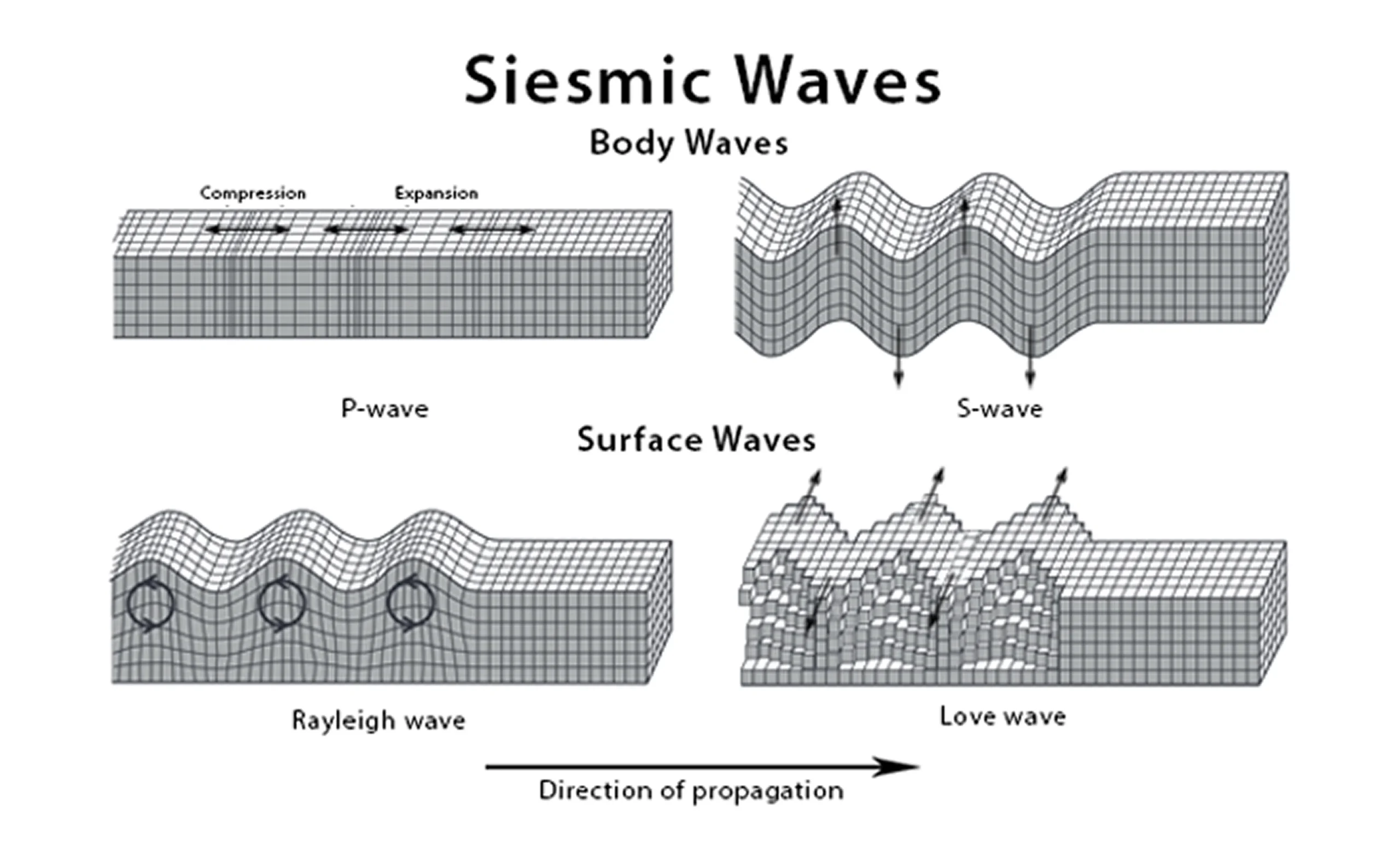
In our earthquake engineering , the one thing that stood out was how unpredictable ground motion can be. Codes like ASCE 7-22 , Eurocode 8 , and BS EN 1998 push for real seismic behaviour, not approximations and that’s where time-domain simulation becomes essential.
At Fluxiss, we run seismic time history simulations for clients in Los Angeles, New York, London, Dubai, Abu Dhabi, because the risk profile of every region is different.

What Time History Analysis Really Is (Explained in Simple Words)
Time History Analysis is when we feed real earthquake waveform input into a structural model and track how the building behaves every millisecond.
That’s it, simple, real, and data-driven.
How Ground Motion Analysis Drives the Entire Simulation
We start with ground motion records sourced from research bodies like PEER NGA , USGS , or NEHRP .
These records become the raw input for:
- earthquake time history modelling
- dynamic time-domain analysis
- acceleration time history analysis
- structural motion prediction
Linear vs Nonlinear Time History Analysis
Linear Time History Simulation
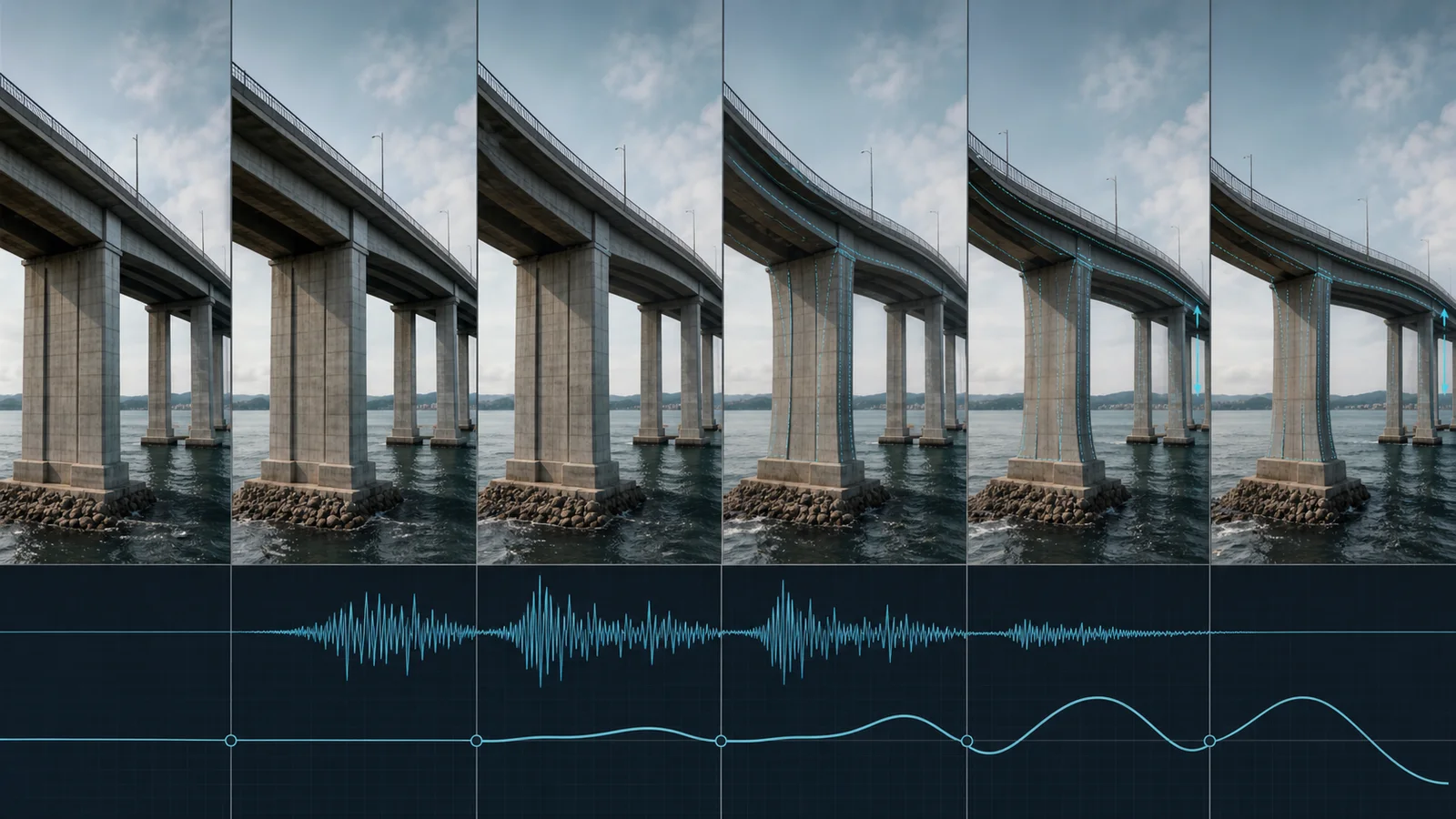
We use this when the structure stays elastic. Codes like ASCE 7-22 allow it, especially for regular buildings.
Nonlinear Time History Analysis
This is the deeper dive, where we watch elements yield, crack, and degrade.
This type is ideal for performance-based design , tall buildings, critical facilities, and high-seismic zones like California , Alaska , Turkey , UAE , and Greece .
What We Actually Do at Fluxiss in a Time History Study
When clients approach Fluxiss for time history structural evaluation , here’s what we walk them through:
1. Structural Time Domain Analysis
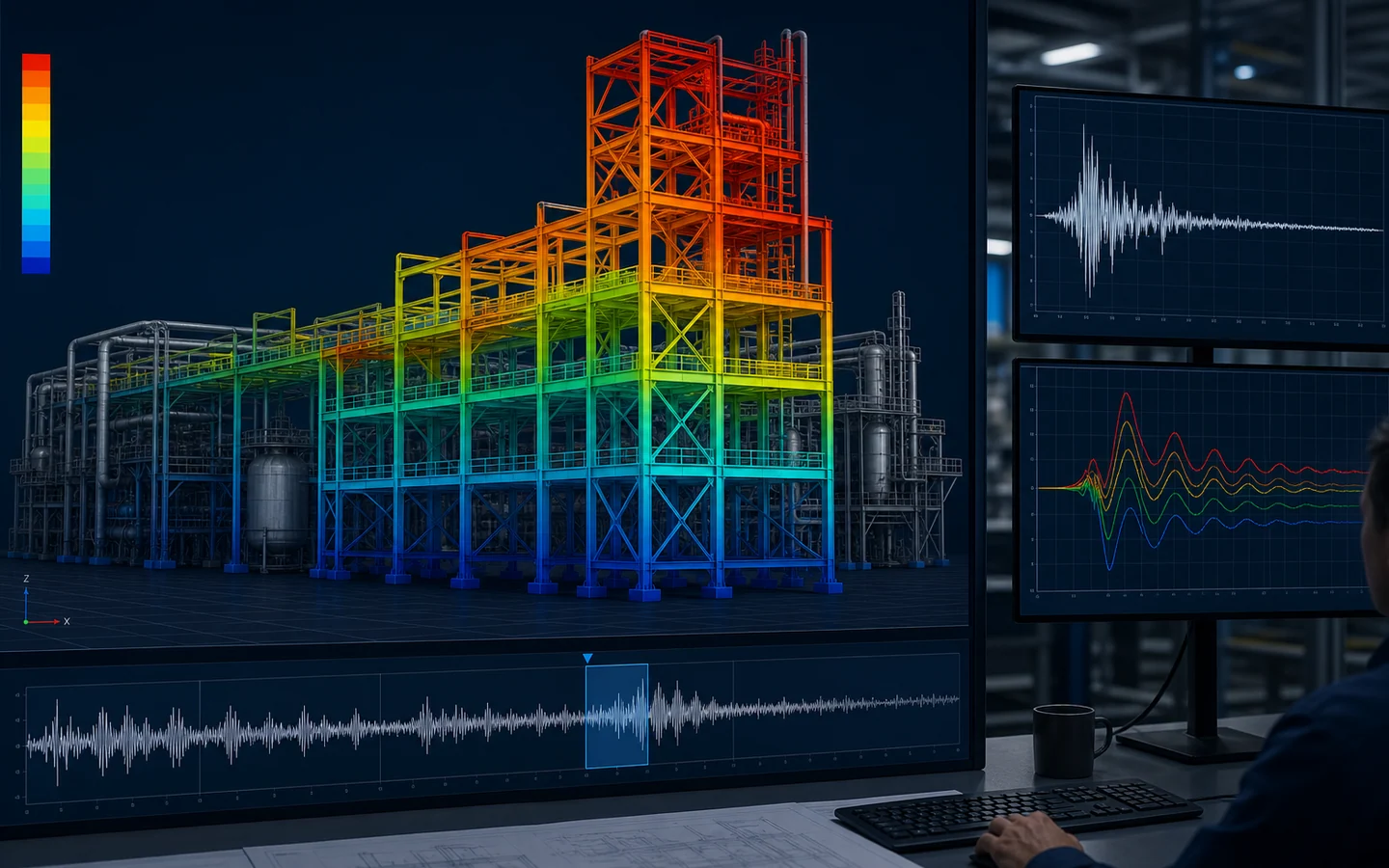
We build the structural model with its mass, stiffness, damping, nonlinearity , and real boundary conditions.
2. Earthquake Load Simulation
We apply multiple accelerograms, often scaled or matched to the target spectrum (ASCE / Eurocode).
3. Structural Response Simulation
This is where we observe:
- drifts
- forces
- stresses
- nonlinear seismic response
- acceleration history data
- energy dissipation
4. Seismic Performance Review & Reporting
We prepare reports for code officials, third-party peer reviewers, or internal design teams.
Cities we frequently support:
San Francisco, Seattle, Los Angeles, Houston, Dubai, Abu Dhabi, London, Manchester.
Time History Analysis vs Response Spectrum Analysis
Clients usually ask when Time History is better than Response Spectrum. Here’s what we explain:
- Time History Analysis = real earthquake motions → more accurate
- Response Spectrum Analysis = statistical peak values → efficient but simplified
Both are valid. Time History is used when realism is critical.

Why Fluxiss Is the Right Fit for Seismic Time History Simulation
As someone who’s seen how inaccurate assumptions cause failures, we take this service seriously. Fluxiss delivers:
- verified ground motion modelling
- dynamic earthquake modelling for complex structures
- compliance with ASCE , Eurocode , and regional guidelines
- coverage for USA, UK, Europe, and UAE
Ready to Start Your Seismic Analysis Project?
Contact Fluxiss
Get your earthquake analysis done with accuracy and transparency.
Questions, answered.
High-rise buildings, critical infrastructure (hospitals, power plants), structures with complex irregularities, and projects using advanced systems like base isolation typically require detailed earthquake motion modelling. It’s mandated by codes like ASCE 7 for high-seismic zones.
Related scopes.
Let's Build Something Great Together.
Partner with Fluxiss for engineering that holds up - under pressure, under load, under scrutiny.