Why Your Hardware is Sweating (and How we Predict When It’ll Snap)
Get expert Thermal and Fatigue Analysis services from Fluxiss. We use 2026 ASME/ISO standards for lifespan prediction and heat flow simulation. Predict failure before it happens.
We spent a lot of time staring at colorful heat maps on screens, and if there is one thing we have learned, it is that heat is a silent killer for engineering components. Whether you are running a plant in Houston, designing a turbine in London, or managing infrastructure in Dubai, the physics does not change: things expand, things contract, and eventually, things break.
At Fluxiss , we don’t just “run simulations.” We personally look at every project as a puzzle where Thermal and Fatigue Analysis is the key. We help firms across the USA, UK, Europe, and UAE understand exactly how their materials behave when the temperature climbs and the loads start cycling.
Heat Transfer Analysis: It is More Than Just "Getting Hot"
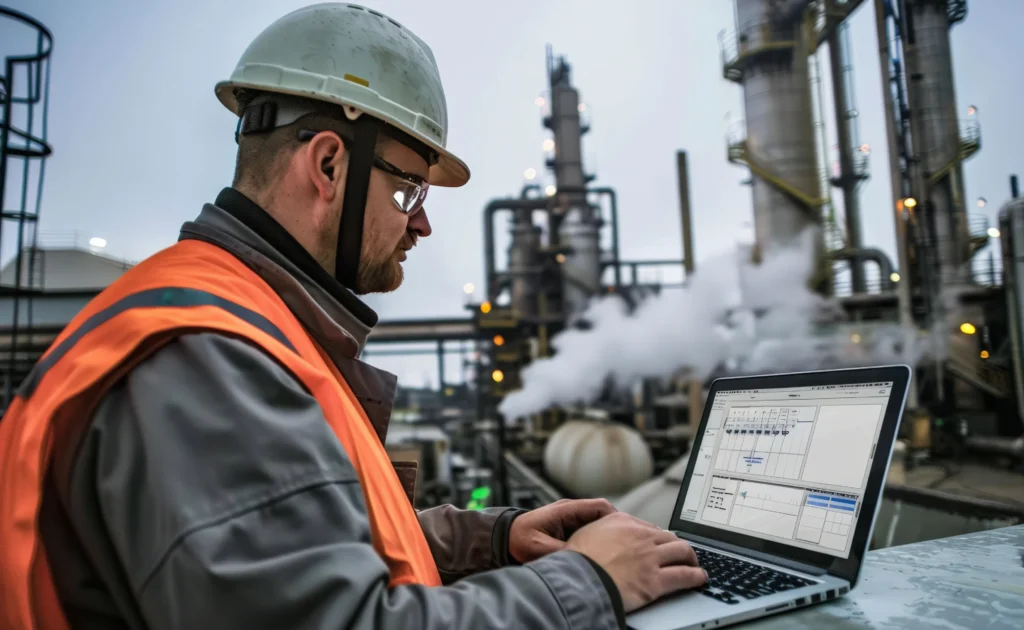
When we talk about Heat Transfer Analysis , we are not just looking at a thermometer. We are looking at the “why” and “how” of heat flow. Through Thermal FEA , we simulate three main players:
- Conduction Heat Transfer: How heat moves through the solid parts of your machine.
- Convection Heat Transfer: How air or fluids carry that heat away (essential for Cooling Analysis ).
- Radiation Heat Transfer: The heat jumping across gaps-critical for High Temperature Analysis .
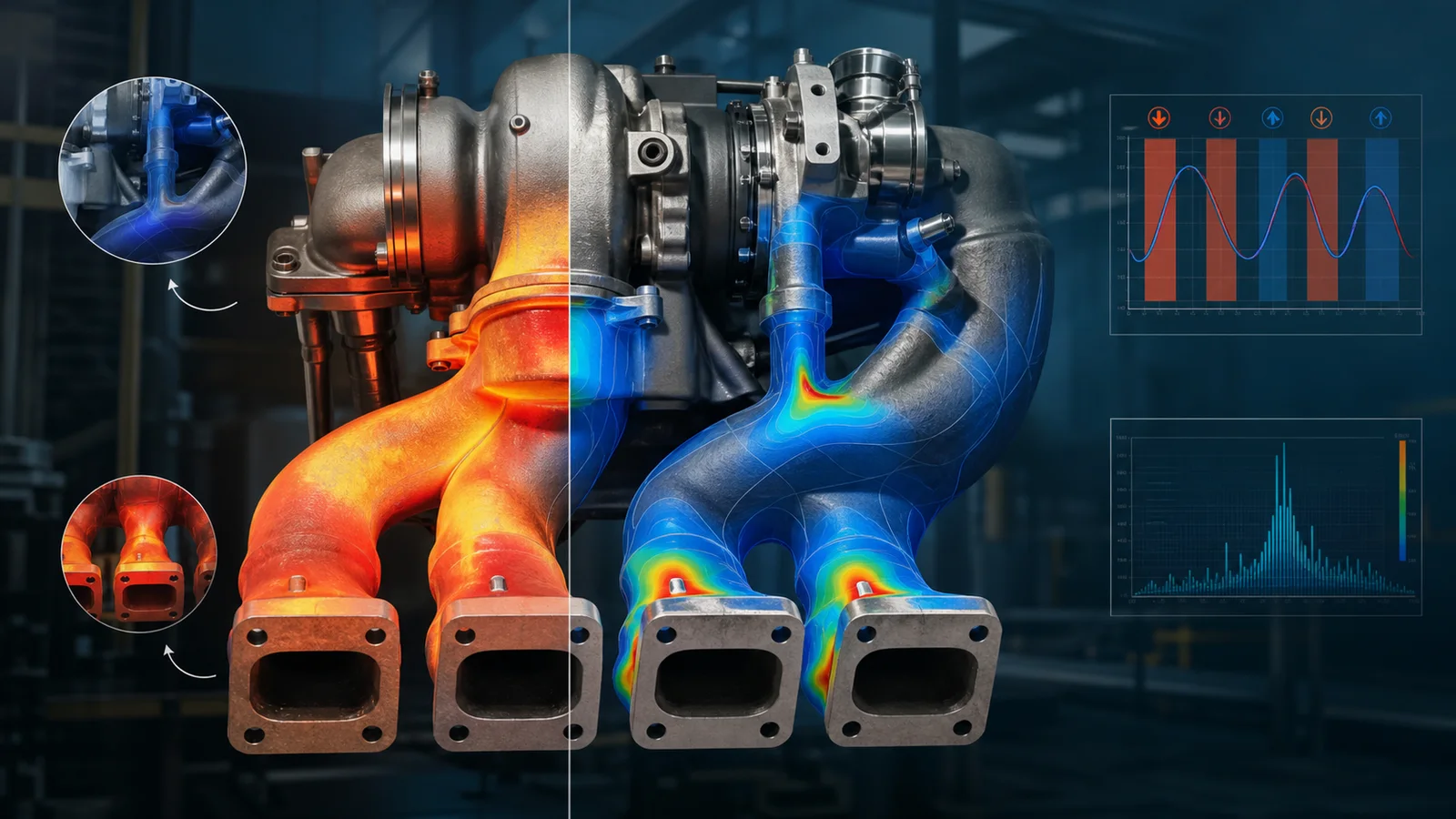
We usually start with a Steady State Thermal Analysis to see where the heat settles during normal operation. But the real moment happens during Transient Thermal Analysis . This shows the thermal spikes during startup and shutdown. That is where the Thermal Gradient Analysis reveals the hidden killers-those sharp temperature differences that cause Thermal Deformation .
Fatigue Analysis: Predicting the "Snap" Before the Sound
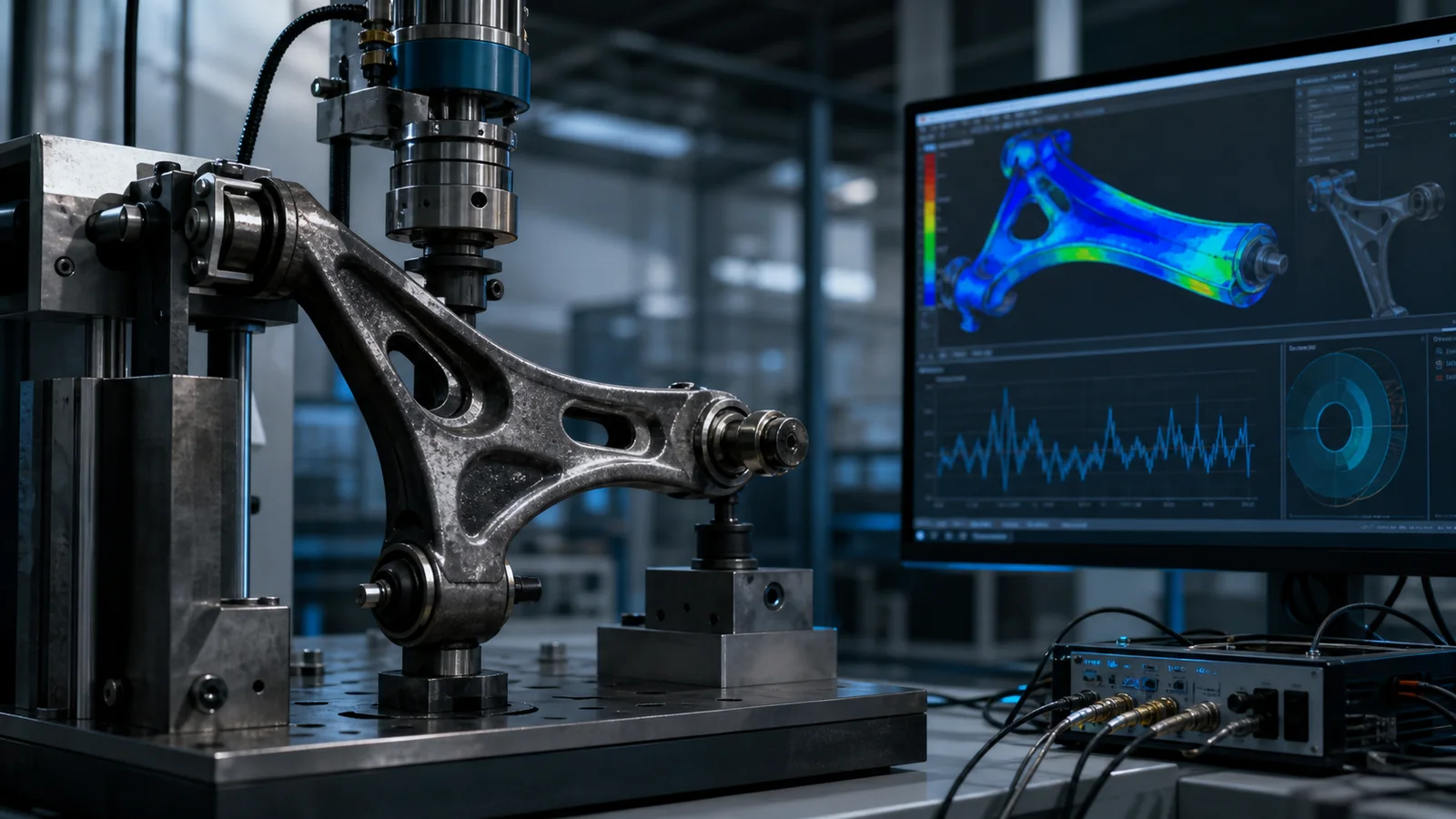
You’ve probably heard or seen a part fail that “should have held up.” That is usually Fatigue Analysis -or a lack of it-at work. Materials get tired. In our research and field experience, we found that even if a load is below the yield strength, Repeated Load Simulation proves that the material will eventually give up.
For our clients in New York or Manchester, we dive deep into:
- High Cycle Fatigue (HCF): For parts vibrating millions of times.
- Low Cycle Fatigue (LCF): For components undergoing heavy, plastic-stretching loads.
- Fatigue Life Prediction: Using Stress Life and Strain Life methods to give you a real-world “expiration date” for your component.

The Perfect Storm: Combined Thermal and Fatigue Analysis
In the real world, you don’t just have heat or just have loads-you have both. Thermo Mechanical Analysis is where we combine the Heat Induced Stress with Cyclic Stress Behavior .
When we run a Thermal Fatigue Analysis , we are looking for Temperature Induced Fatigue . Think about a jet engine in Los Angeles or a desert power plant in Abu Dhabi. The constant heating and cooling create Thermal Load Analysis challenges that standard tests miss. We use Material Fatigue Modeling to simulate years of wear in just a few days of computing.
What Fluxiss Covers in This Sub-Service:
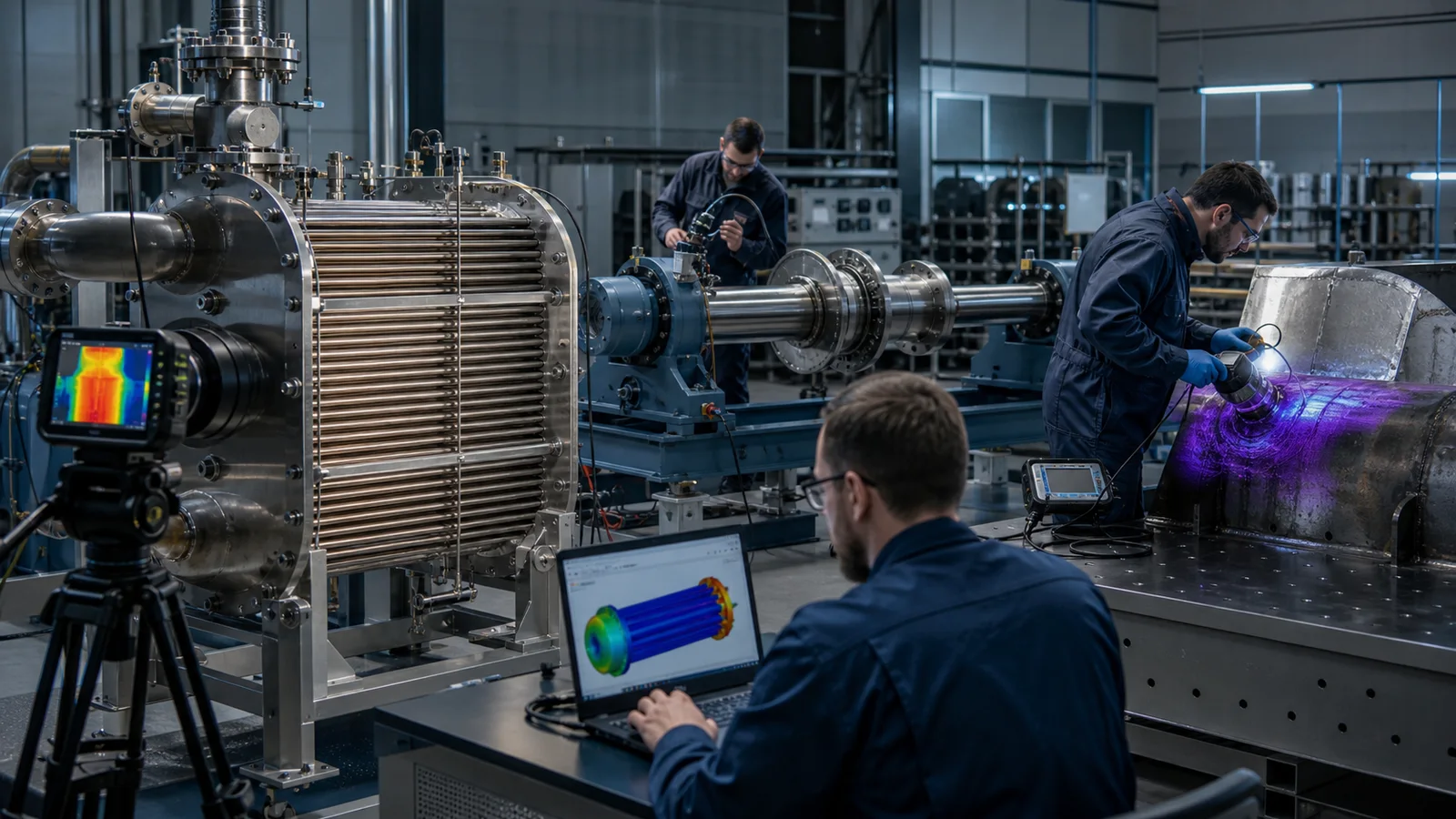
- Thermal Simulation: Full Temperature Distribution Analysis and Heat Flow Simulation .
- Structural Fatigue Analysis: Predicting Fatigue Damage using FEA Fatigue Simulation .
- Advanced Standards: We work with ASME BPVC Section III (2025) and BS ISO 23296:2025 for Thermo-Mechanical Fatigue
- Lifespan Estimates: Clear Component Lifespan Prediction so you can plan maintenance, not emergencies.
Don't Let Your Components Retire Early
Engineering is about certainty. We don’t like “maybe,” and we know you don’t either. By using Combined Thermal and Fatigue Analysis , we take the guesswork out of Material Fatigue Modeling . Whether it’s Conduction Heat Transfer in a circuit board or Mechanical Fatigue Analysis on a bridge, Fluxiss is here to make sure your designs last as long as you promised they would.
Questions, answered.
Use Steady State if your machine runs at a constant temp for hours. It’s faster and cheaper. However, if your equipment turns on and off frequently, you need Transient Analysis. It captures the "thermal shock" that happens in those first few minutes, which is often where the most damage occurs.
Related scopes.
Let's Build Something Great Together.
Partner with Fluxiss for engineering that holds up - under pressure, under load, under scrutiny.