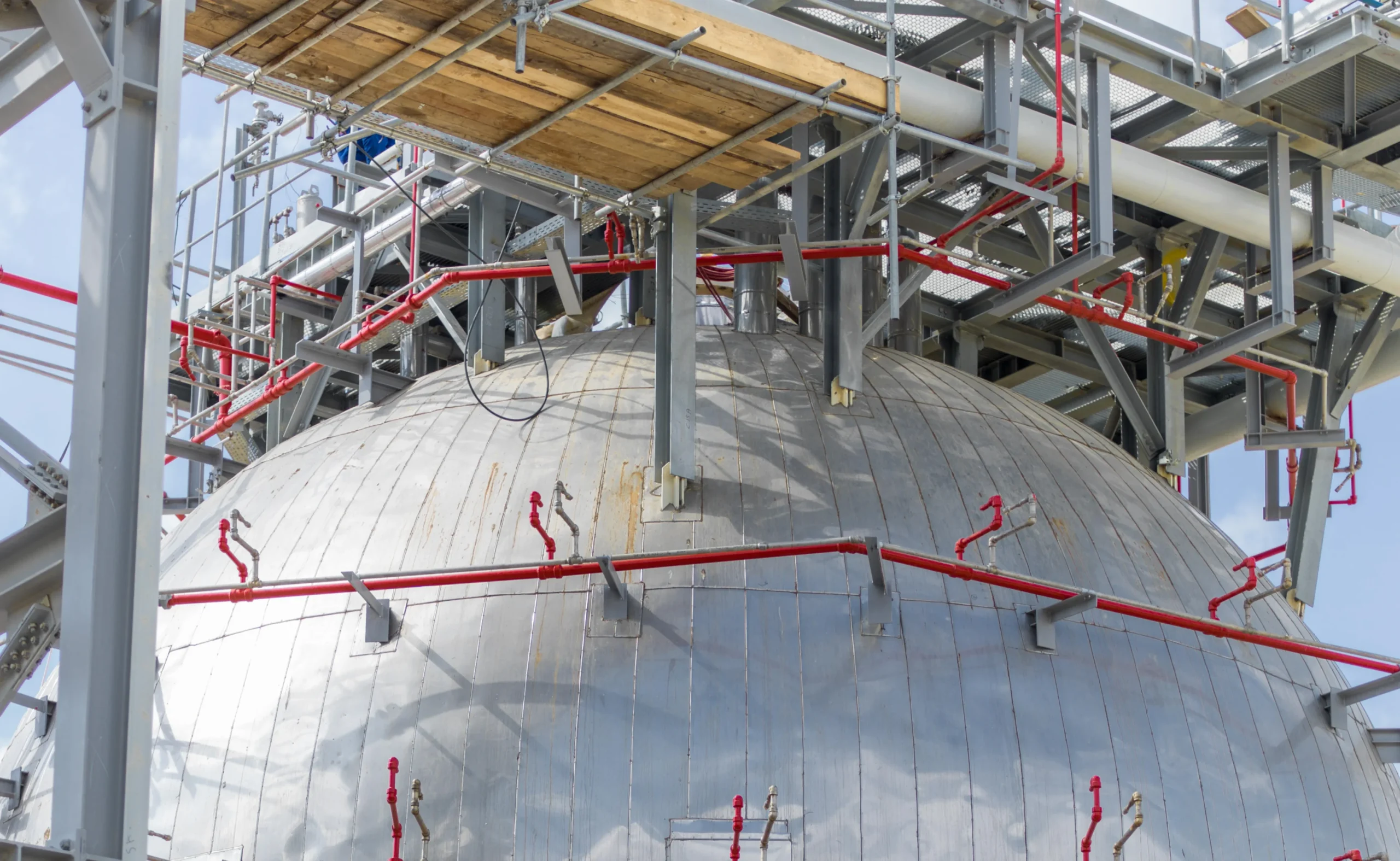
At Fluxiss , we don’t just look at a blueprint and call it a day. We look at the reality of a fuel depot in Philadelphia or a tank farm in Aberdeen and ask: “If this goes up, will your current system actually stop it?”
Let’s talk about why firefighting system upgradation isn’t just a regulatory headache-it’s the only way to sleep at night.
The Reality Check: Is Your Oil and Gas Fire Protection System Stuck in 1998?
When we talk to site managers from New York to Abu Dhabi , they often point to their red pipes and say, “It’s been there for twenty years, and we’ve never had a problem.” That is exactly the problem.
Modern oil and gas fire protection systems have moved beyond just spraying water. In 2026, the shift is toward fire system modernization services . We are seeing a massive move away from AFFF (Aqueous Film-Forming Foams) because of environmental laws. If you haven’t upgraded your hardware to handle the new Synthetic Fluorine-Free Foams (SFFF), your nozzles will likely clog or fail right when you need them.
Why Every Depot in the USA and UK is Racing to Modernize
- PFAS Phase-out: The EPA and UK Environment Agency are not playing around. Using old foam is becoming a legal liability.
- Aging Infrastructure: Steel corrodes. It’s a fact. That fire water tank design from the 90s probably has internal scaling that will choke your pumps.
Re-Engineering the Heart: Fire Water Tank Design and Storage
One of the most frequent things is the failure of water supply during a crisis. It doesn’t matter how good your sprinklers are if the tank fails. Fire water storage tank engineering has evolved.
At Fluxiss , we are seeing a huge demand for glass-fused-to-steel tanks. Why? Because they don’t rust like the old carbon steel ones. If you are operating in a coastal city like Los Angeles or Liverpool , salt air is your enemy. A proper fire protection system upgrade starts with ensuring you have a reliable, seismic-rated water source.
The Beast in the Basement: Fire Pump System Design Upgrades
The pump house is the heart of your industrial fire safety systems . If the heart stops, the depot dies. We’ve seen pump house and fire system design layouts that were so cramped that maintenance was impossible.
A modern fire pump system design now includes:
- Dual-Redundant Drivers: You need both electric and diesel backups.
- Remote Telemetry: We can now check the health of a pump in Dallas from an office in London . This kind of fire safety compliance oil and gas leaders want is all about data.
- Electronic Governors: These ensure the pump doesn’t over-pressurize and burst your pipes-a common failure in older systems.
Don’t Guess, Assess: The Power of Fire Hazard Assessment
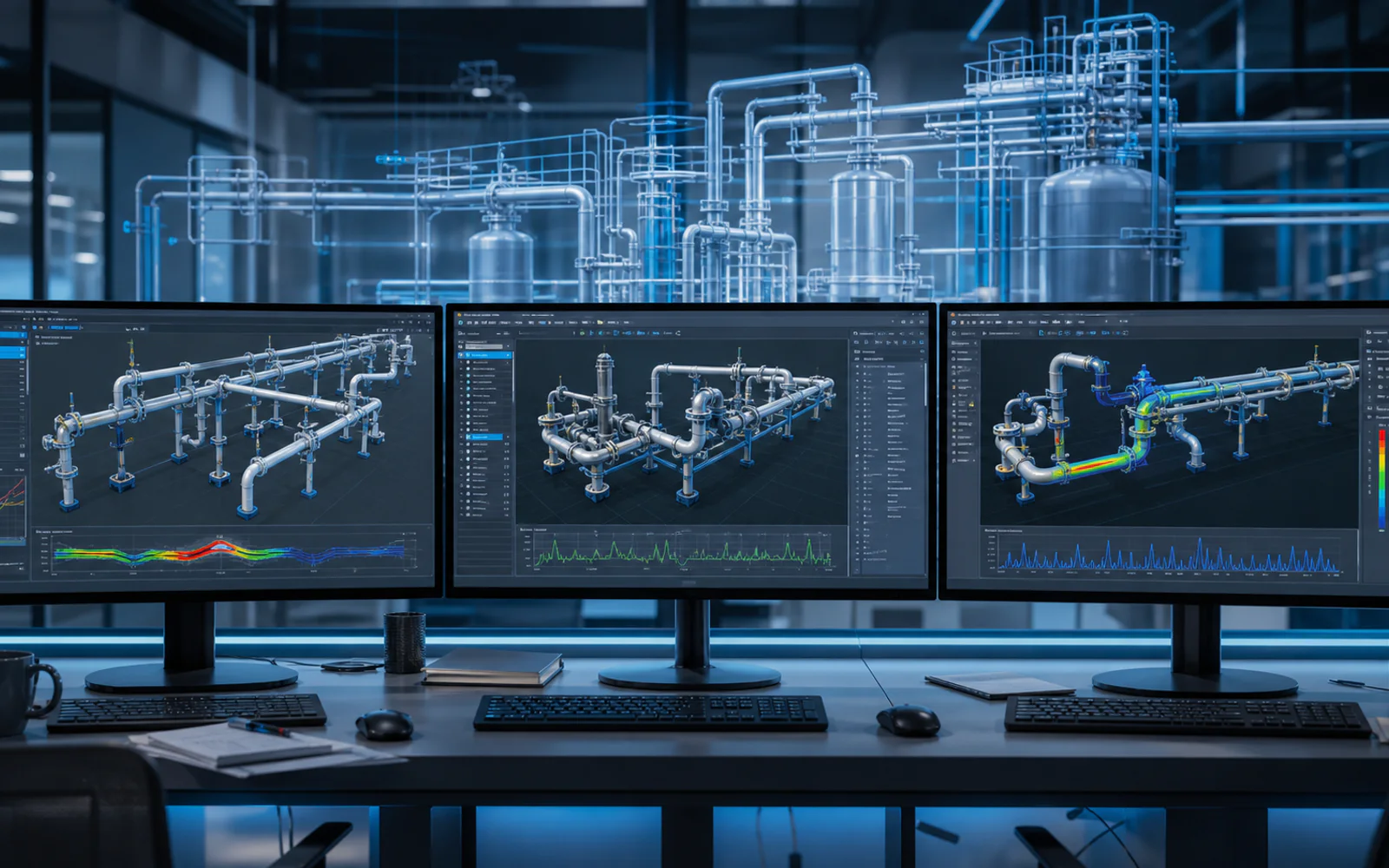
Before we even turn a wrench at Fluxiss , we run a fire hazard assessment . This isn’t just a walkthrough. It’s a computational simulation. We use software to model how a fire would spread across a specific fuel depot fire protection engineering project.
Whether it’s a depot in Karachi , Birmingham , or Houston , the physics of a fuel fire are the same, but the environmental variables (heat, wind, humidity) change. We design emergency fire response systems that account for the worst-case scenario, not the “likely” one.
Navigating the Maze: NFPA Fire Protection Standards in 2026
If you’ve looked at the NFPA fire protection standards lately, you know they are getting dense. Specifically, NFPA 11 and NFPA 20 have seen major tweaks regarding foam compatibility and pump testing.
In the UK and Europe , we align with BS EN 12845 and COMAH regulations . Staying compliant is a full-time job. That’s where fire protection engineering consultancy comes in. We take the “regulatory speak” and turn it into a concrete action plan for your fire safety system design oil and gas requirements.
Modernization: More Than Just New Paint
When we talk about fire system modernization services , we are talking about:
- Replacing legacy detectors with Multi-Spectrum IR3 sensors that can “see” a flame through smoke and rain.
- Upgrading valves to SIL-2 rated automated shutdown systems.
- Retrofitting foam proportioners to handle the higher viscosity of modern, eco-friendly foams.
This is the core of industrial fire safety regulations today. It’s about being proactive, not reactive.
Future-Proof Your Assets with Fluxiss
At the end of the day, firefighting system upgradation is about protecting your people and your investment. We’ve seen the aftermath of “cutting corners,” and it isn’t pretty. Whether you are in Houston, UK, UAE, or Europe , the standards are rising, and your facility needs to rise with them.
From fire water tank design to the final emergency fire response systems test, we handle the heavy lifting. Don’t wait for a “near miss” to realize your system is obsolete.
Ready to Upgrade?
Stop worrying about compliance and start focusing on growth. Let Fluxiss handle your fire safety system design oil and gas needs.
Frequently Asked Questions
For a standard fuel depot fire protection engineering project, it typically takes 4 to 8 months. This includes the initial fire hazard assessment, design, and the actual installation. We focus on phased upgrades so your depot in Philadelphia or Dubai stays operational during the process.
Fluxiss Editorial is part of the Fluxiss engineering team, delivering engineering scopes across the USA, UK, UAE and Europe.


Let's Build Something Great Together.
Partner with Fluxiss for engineering that holds up - under pressure, under load, under scrutiny.