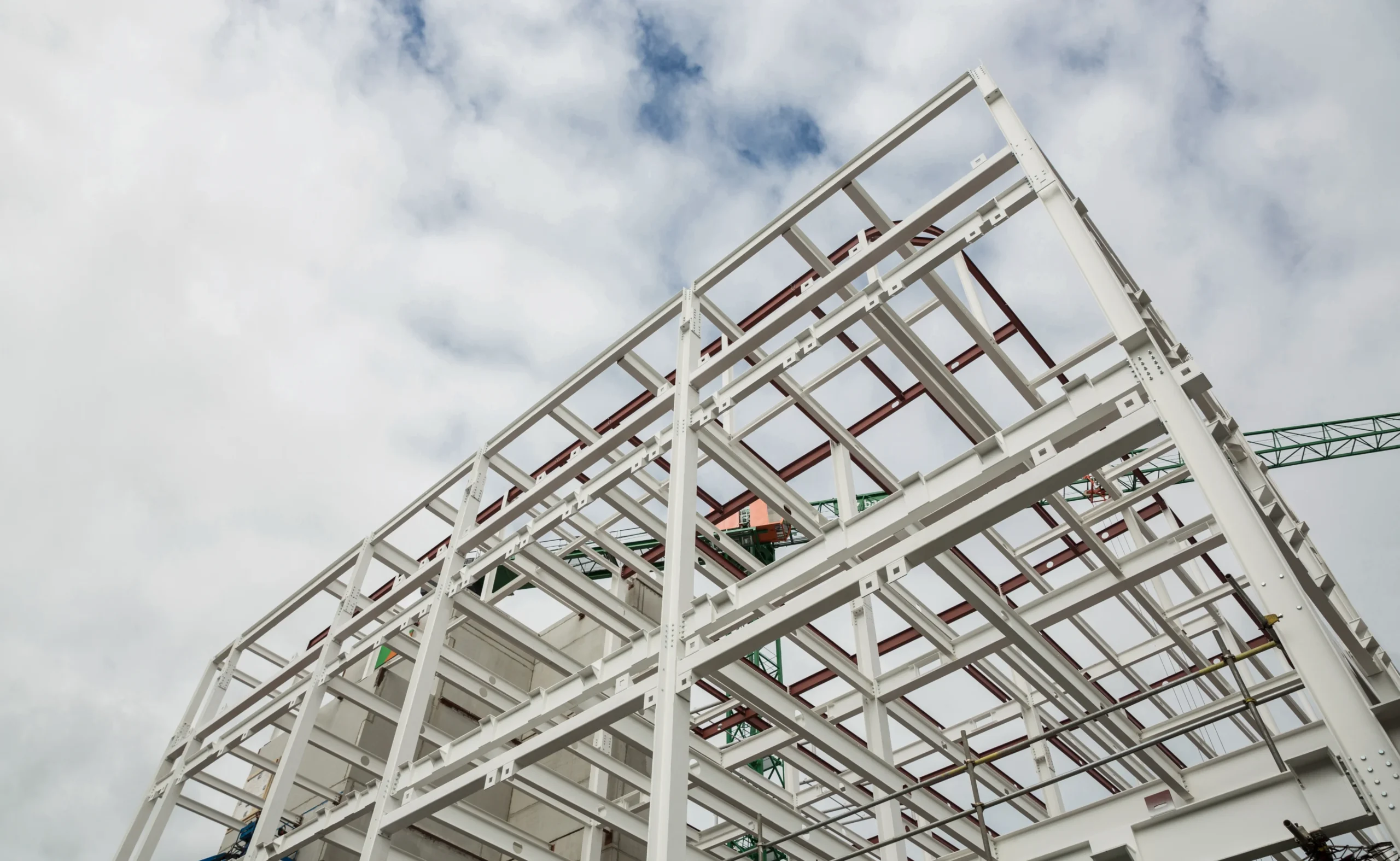
Through research and the technical deep dives we do here at Fluxiss , we’ve realized that gantry crane structural design is less about “big steel” and more about managing invisible forces. Whether you are operating in Dubai , London , or Chicago , the physics of heavy lifting doesn’t change, but the standards certainly do.
In this guide, we are breaking down what we’ve learned about building platforms that don’t just stand there, but actually perform.
The Physics of Sway: Gantry Crane Design Engineering 101
When we first started looking into mechanical gantry crane systems , we thought the biggest challenge was just the weight. However, the real “beast” is the lateral force-that “surge” you feel when the crane starts or stops suddenly.
In industrial platform design , we have to account for three specific directions of force:
- Vertical Impact: The “thud” when a load is picked up.
- Lateral Surge: The side-to-side wiggle.
- Longitudinal Tractive: The forward-and-back push.
If your crane platform design engineering doesn’t account for these, your structure will eventually develop fatigue cracks. We’ve seen reports where 25% of the wheel load is added just to cover the “shock” of the hoist. That’s a lot of extra energy your steel needs to eat.
Global Standards: Navigating AISC and Eurocodes in 2026
At Fluxiss , we work across borders-from New York to Abu Dhabi . One thing we’ve gathered from studying international law is that you can’t use a “one size fits all” approach for structural design for industrial facilities .
The US Approach (AISC & ASCE)
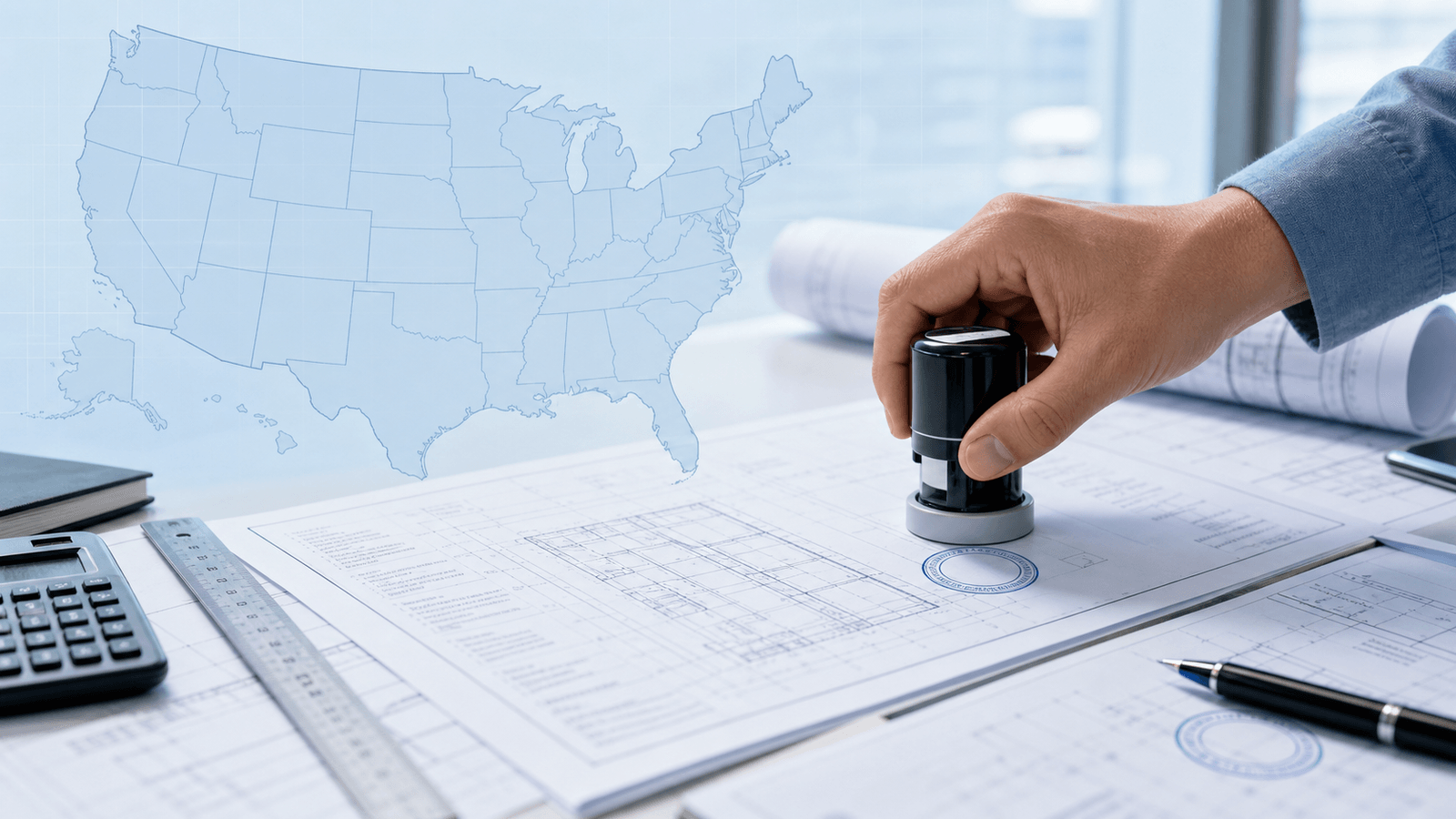
In the states, we live by AISC Design Guide 7 . As of 2026, there’s a massive focus on serviceability. This means we aren’t just checking if the beam breaks; we are checking if it bends too much. If a platform in Los Angeles sways more than a few millimeters, the high-tech sensors on modern overhead gantry crane systems will literally trigger an emergency shut-off.
The UK and Europe (Second Generation Eurocodes)
In London or Berlin , we are now seeing the “Second Generation” Eurocodes ( BS EN 1991-3 ). These are much stricter about crane load calculations and fatigue. They want to see that your steel structure platform design can handle millions of cycles over 25 years without a single bolt failing.
Power Plants and Oil Rigs: Where Heavy Lifting Gets Heavy
We’ve spent a lot of time reading up on power plant structural design . In these environments, the gantry crane isn’t just a tool; it’s a lifeline. If a turbine needs a swap-out in a facility in New Jersey , the platform has to be rock solid.
For structural engineering services oil and gas firms in the UAE or the North Sea , the environment is the enemy. Salt air and extreme heat mean our industrial equipment support structures need specialized coatings and specific grades of steel (like Grade 50 or S355).
Why Industrial Facilities Trust Fluxiss
- Custom Crane Analysis: We don’t just use templates; we model the specific “duty cycle” of your crane.
- Global Compliance: We bridge the gap between US OSHA/AISC and UK/EU standards.
- Digital Twins: We’ve been experimenting with digital models that predict exactly where a platform might wear out before it even happens.
The “Hidden” Math: Structural Analysis for Cranes
Every time we sit down to look at a lifting equipment engineering design , we are reminded of how important the crane load calculations are. It’s not just “Weight + Steel = Success.”
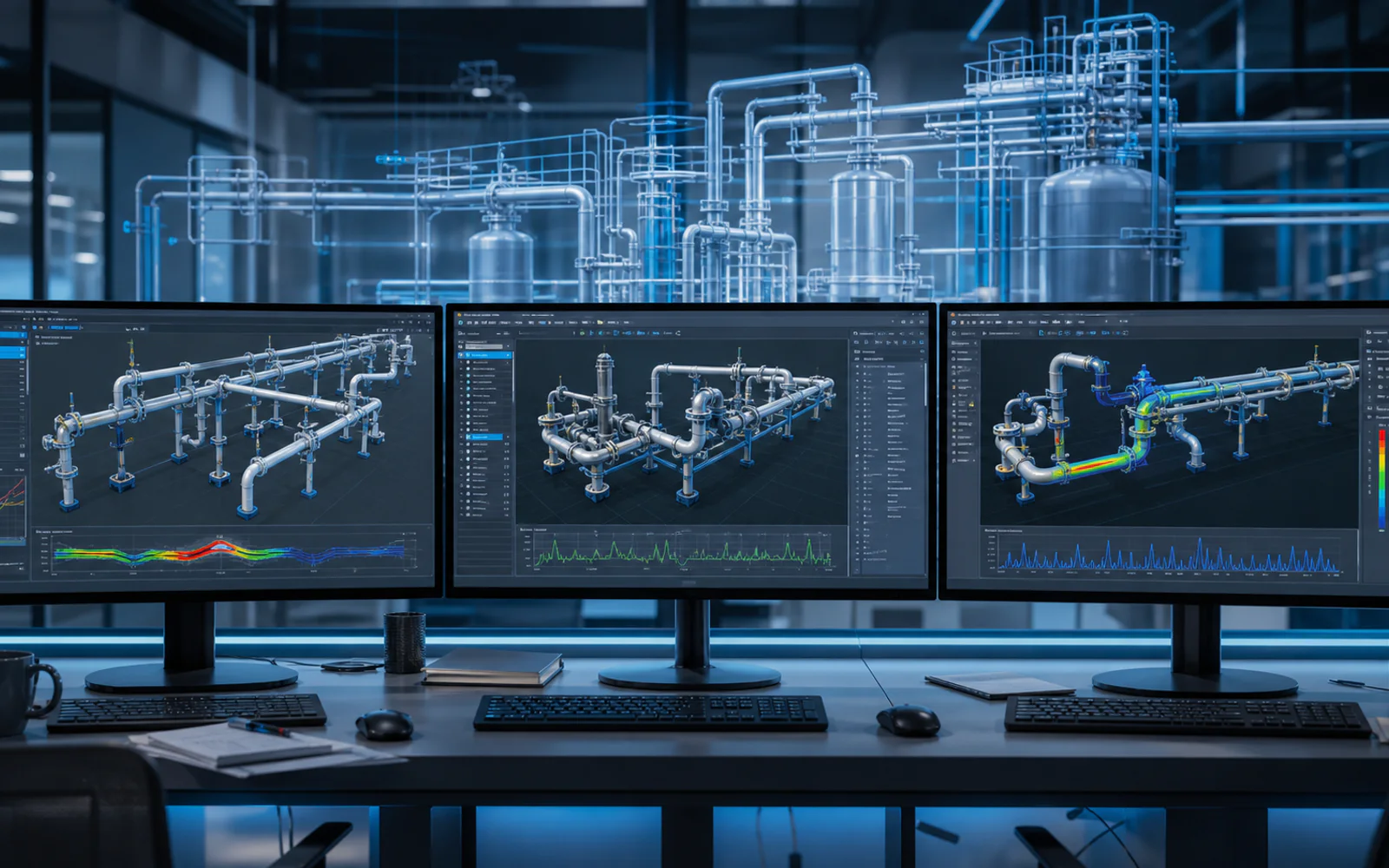
We use a process called Finite Element Analysis (FEA). Basically, we turn the entire platform into a digital grid to see where the stress “pools.” If the stress builds up in a connection point on a heavy lifting equipment design , we beef it up.
We’ve heard from site managers in Dallas and Birmingham that the biggest mistake people make is buying a “pre-fab” platform that wasn’t designed for the specific torque of their crane. Don’t be that person.
Safety First: Meeting 2026 Safety Standards for Crane Systems
If there’s one thing our research has taught, it’s that safety standards for crane systems are getting tougher. In 2026, it’s not enough to have a sturdy rail. You need:
- Anti-collision sensor integration.
- Deflection limits that prevent the crane from “derailing” under heavy load.
- Redundant bracing for seismic zones like San Francisco or high-wind areas in Florida .
Engineering consultancy for crane systems is now about more than just physics; it’s about risk management. At Fluxiss , we ensure that your gantry crane structural design meets every local and international code, so you can sleep at night.
Building the Future of Heavy Industry
Structural design isn’t just about sticking beams in the dirt. It’s about understanding how energy moves through a building. From my own study of the industry, the companies that succeed are the ones that treat their gantry crane structural design as a precision instrument, not just a floor.
Whether you are building in the USA , Europe , or the UAE , you need a partner who understands the nuance of heavy lifting equipment design . Don’t leave your facility’s safety to guesswork.
Ready to elevate your industrial facility?
Frequently Asked Questions
The most critical factor is managing the lateral surge and fatigue. While many focus on the vertical weight, the repeated side-to-side force from the crane trolley causes the most long-term damage. Proper structural analysis for cranes ensures the platform stays rigid and safe over decades of use.
Fluxiss Editorial is part of the Fluxiss engineering team, delivering structural scopes across the USA, UK, UAE and Europe.

Let's Build Something Great Together.
Partner with Fluxiss for engineering that holds up - under pressure, under load, under scrutiny.