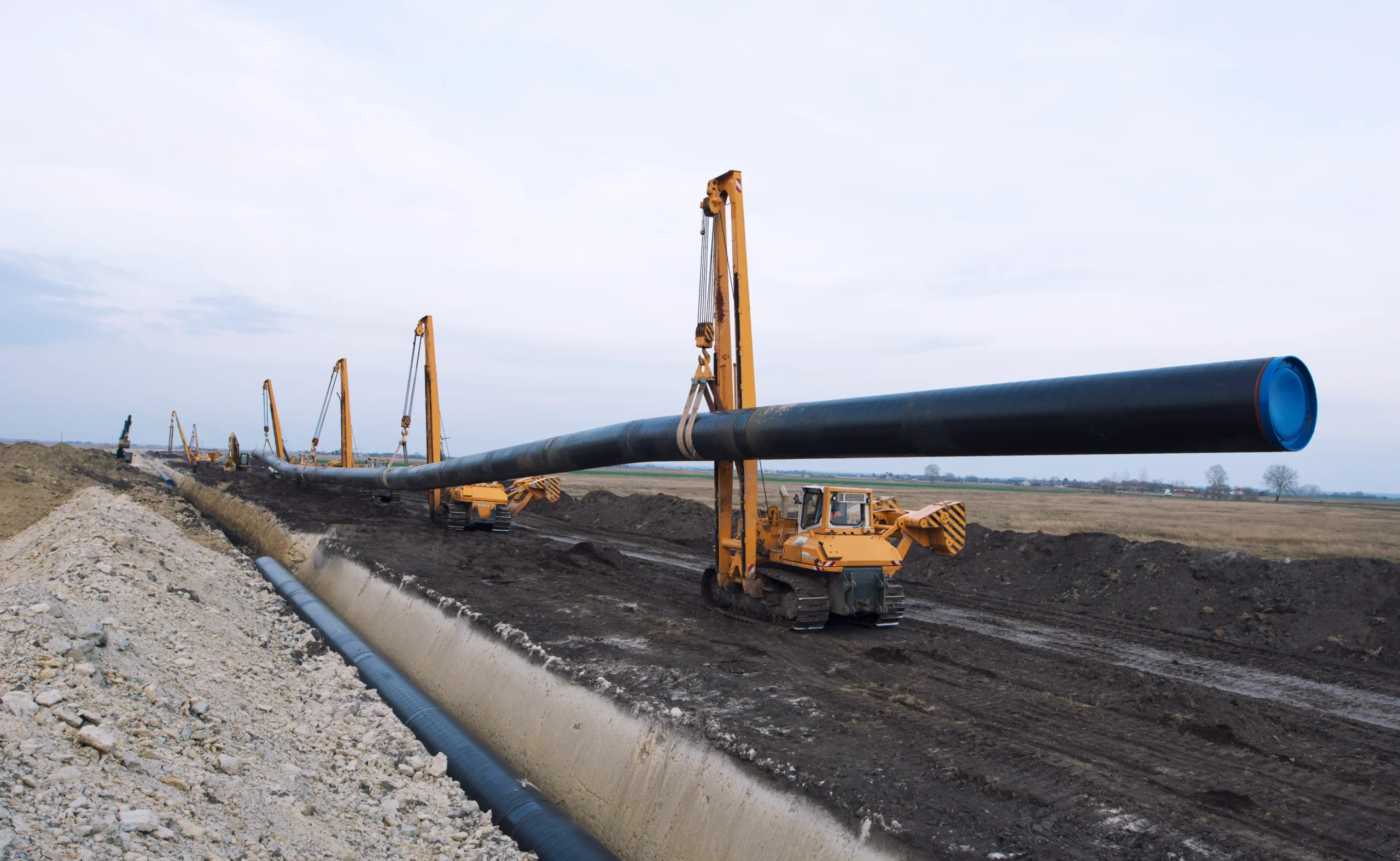
In this guide, we are breaking down what we researched and heard from the field about pipeline canal crossing design . We’re moving past the fluff to look at how a US-based firm like Fluxiss handles industrial pipeline stress analysis and hydraulic flow on a global scale.
The Invisible Forces: Why Pipeline Hydraulic Analysis Dictates Your Route
When we first started looking into hydraulic analysis for pipelines , we thought it was just about moving fluid from point A to point B. However, when a pipeline dips under a canal-whether it’s in London or California -the elevation changes and temperature shifts can wreak havoc on flow efficiency.
At Fluxiss, the team uses advanced pipeline design specifications to run hydraulic flow calculations in pipelines . They aren’t just looking at the current speed; they are simulating “worst-case” scenarios. If the fluid slows down too much in a dip, you get sedimentation or “slugging.” If it goes too fast, you risk vibration that could jeopardize the entire underground pipeline crossing design .
Essentially, the gas pipeline flowline design has to be “Goldilocks” perfect-not too restricted, not too turbulent. This is especially true for projects in Abu Dhabi or Riyadh , where extreme ambient temperatures change the viscosity of the oil, requiring even more precise oil and gas flowline routing .
Cracking the Code on Pipeline Stress Analysis in Oil and Gas
We read a report about a crossing failure where the engineers didn’t account for “buoyancy.” Imagine a massive steel pipe behaving like a pool noodle because it was empty during a flood. That’s why pipeline stress analysis in oil and gas is the most critical phase of any Fluxiss project.
When we talk about flowline stress analysis , we are looking at:
- Hoop Stress: The internal pressure pushing out.
- Longitudinal Stress: The pipe stretching or compressing due to temperature.
- External Loading: The weight of the canal water and the soil overhead.
Using modern pipeline stress analysis software like CAESAR II or AutoPIPE, Fluxiss ensures that the pipeline structural integrity analysis meets pipeline engineering design standards such as ASME B31.4 or B31.8. It’s about making sure that the steel can “breathe” without snapping under the weight of a canal in Manchester or a shipping lane in New York .
Beyond the Trench: Advanced Canal Crossing Pipeline Engineering
Most people think you just “trench” through a canal. But canal crossing pipeline engineering in 2026 is moving toward trenchless technology, specifically Horizontal Directional Drilling (HDD) .
HDD allows us to go deep under the canal bed without ever touching the water. This is a game-changer for oil and gas pipeline crossing design because it bypasses the nightmare of environmental permits. Fluxiss provides pipeline engineering consultancy that helps companies in Chicago , Birmingham , and Doha choose between boring, tunneling, or open-cut methods based on the specific soil reports.
Global Standards: From the USBR to the UK Environment Agency
One thing we noticed is how much the rules vary by location. A pipeline canal crossing design in Florida has to deal with the US Army Corps of Engineers (USACE), while a project in the UK must satisfy the Canal & River Trust.
- In the USA: We focus heavily on “Depth of Cover.” Usually, you need at least 4 to 5 feet of stabilized soil between the canal bottom and your pipe.
- In the UK/Europe: There is a massive emphasis on protecting “puddle clay” liners that keep old canals from leaking.
- In the UAE: The focus often shifts to cathodic protection-preventing the salty, corrosive groundwater from eating the pipe.
Fluxiss acts as a bridge, ensuring that the industrial pipeline stress analysis performed in a US lab fits the local legal framework of a project in Europe or the Middle East .
Engineering Peace of Mind
At the end of the day, pipeline canal crossing design is about more than just physics; it’s about responsibility. Fluxis puts a lot of details into every pipeline construction drawing , and it’s clear that cutting corners isn’t an option. Whether it’s a complex pipeline hydraulic analysis or a grueling flowline stress analysis , the goal is a system that works silently and safely under the feet (and fins) of the world.
If you’re looking for a partner that understands the nuances of oil and gas pipeline crossing design from New York to Dubai , you need a team that lives and breathes these standards.
Frequently Asked Questions
Generally, for a safe underground pipeline crossing design, you need a minimum of 4 to 5 feet (1.2 to 1.5 meters) of cover below the lowest point of the canal bed. However, if the canal is subject to dredging, Fluxiss experts recommend going much deeper to ensure pipeline structural integrity analysis remains valid over decades.
Fluxiss Editorial is part of the Fluxiss engineering team, delivering engineering scopes across the USA, UK, UAE and Europe.


Let's Build Something Great Together.
Partner with Fluxiss for engineering that holds up - under pressure, under load, under scrutiny.