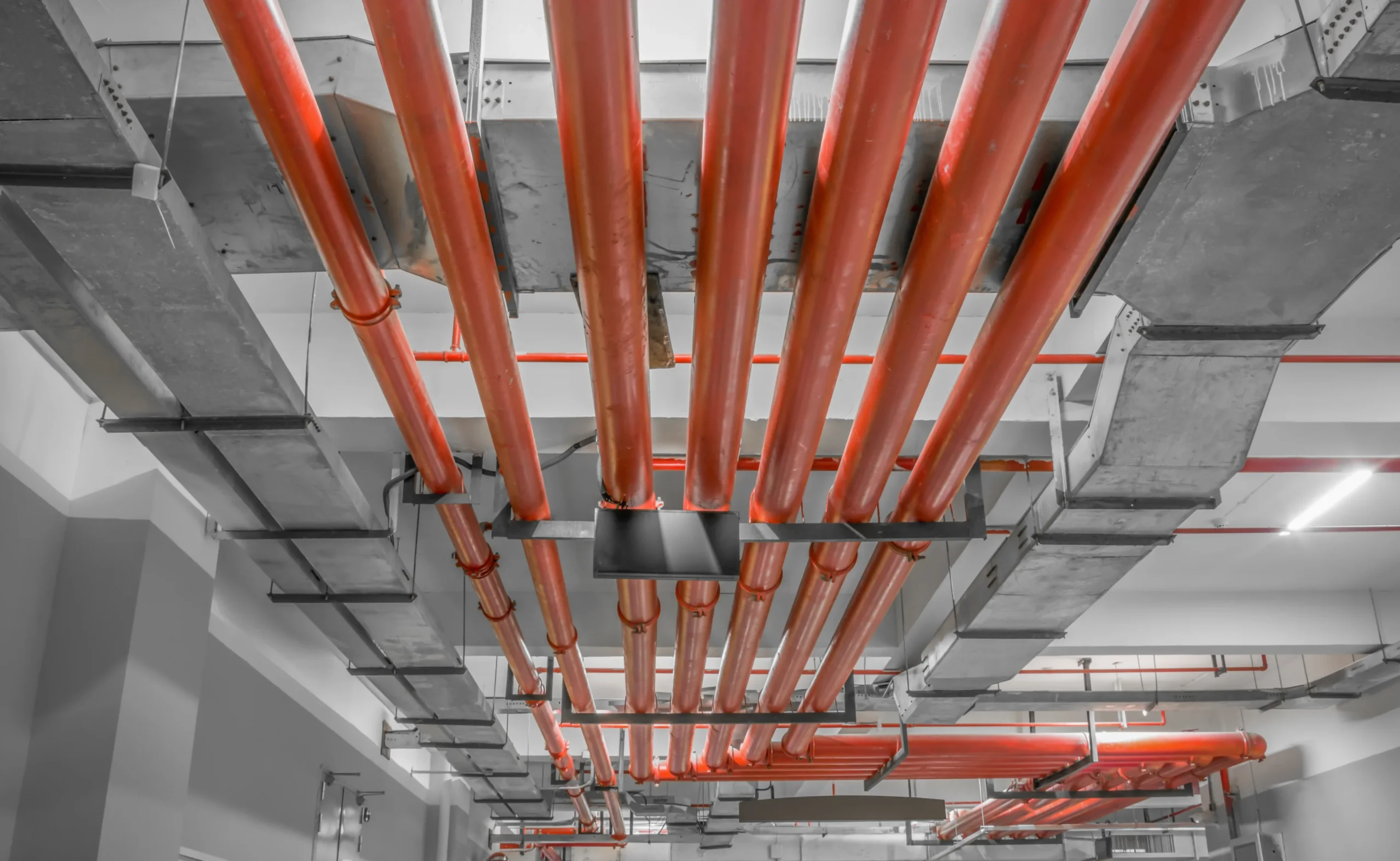
At Fluxiss , we’ve been digging into this across the USA , UK , and UAE , helping firms realize that a system designed in 2010 simply isn’t ready for 2026 risks. If you’re running a refinery in Houston , a storage terminal in London , or a massive offshore rig in Abu Dhabi , you need to understand the bridge between “we have a system” and “the system actually works.”
That bridge is Fire Gap Analysis .
The Reality Check: What is Fire Gap Analysis and Why Should You Care?
When we first started studying fire gap analysis , we thought it was just a fancy term for a safety audit. But it’s more like a stress test for your facility’s soul.
Think about it: technology changes, production scales up, and suddenly, that firefighting system design for oil and gas that was “top tier” a decade ago is now obsolete. We’ve seen cases where a plant added three new storage tanks but never upgraded its fire water storage tank design . That’s a recipe for disaster.
A gap analysis identifies exactly where your current industrial fire protection systems fall short of modern NFPA standards fire protection . It’s the difference between guessing you’re safe and knowing you’re compliant.
Firefighting System Design Oil and Gas: More Than Just Water and Hoses
In our research and the projects we handle at Fluxiss , we’ve noticed a common trend: people underestimate the complexity of fire protection system engineering . It isn’t just about throwing water at a flame. In an oil and gas environment, water can sometimes make things worse if not managed correctly.
We focus on integrated fire detection and suppression systems . You need sensors that can “see” a hydrocarbon flame before a human even smells smoke. Whether you are in New York , Dubai , or Manchester , the physics of a flash fire remains the same. Your industrial fire safety regulations demand a system that reacts in seconds, not minutes.
The Engineering Behind the Heat
When we talk about fire safety engineering consultancy , we’re looking at:
- Fire hazard analysis: What exactly can catch fire?
- Heat radiation modeling: If Tank A blows, will Tank B melt?
- Active vs. Passive systems: Using fireproofing materials alongside active sprinklers.
The Heart of the Defense: Fire Pump House Design and Water Storage
We’ve heard horror stories about fire pumps failing at the exact moment they were needed. That’s why fire pump house design is one of the most critical parts of what we do at Fluxiss .
If the pump house isn’t engineered to survive the very fire it’s meant to fight, it’s useless. We look at pump house engineering design with a focus on redundancy. In cities like Philadelphia or Dammam , where climate extremes can affect equipment, your fire water tank design must account for everything from freezing pipes to extreme evaporation.
Why Are Fire Water Storage Tank Designs important?
You can have the best pumps in the world, but if your fire water storage tank design doesn’t provide enough volume for a 4-hour sustained burn, you’re just delaying the inevitable. We ensure your tanks meet the latest NFPA 22 requirements, ensuring a reliable “lung” for your firefighting efforts.
Upgrading the Old Guard: Fire System Upgradation Services
Let’s be real-most of you aren’t building brand-new plants every day. You’re managing older ones in Texas , Scotland , or Kuwait . This is where fire system upgradation services come in.
We’ve studied how legacy systems struggle with new chemical compositions and higher production pressures. A fire risk assessment oil and gas often reveals that the old foam systems are no longer effective against modern fuels. At Fluxiss , we don’t just tell you it’s broken; we show you how to fix it without shutting down your entire operation.
Staying Legal: Fire Safety Compliance Engineering
Compliance isn’t just a “check the box” activity. Between the US OSHA standards and the UK’s HSE regulations, the legal landscape is a minefield. Fire safety compliance engineering ensures that if an inspector walks onto your site in Chicago or Birmingham , you have the documentation to prove your emergency response systems in plants are up to snuff.
We use fire hazard analysis to document every possible failure point. It’s about creating a “Golden Thread” of safety data that keeps you out of court and, more importantly, keeps your workers alive.
The Fluxiss Approach to Industrial Fire Protection Systems
From our perspective, what sets Fluxiss apart is that we treat oil and gas fire safety systems as a living organism. It’s not a static blueprint. Whether we are providing fire safety engineering consultancy in Los Angeles or Singapore , our goal is to minimize downtime while maximizing protection.
We specialize in:
- Fire detection and suppression systems that use AI-driven flame signatures.
- Fire water tank design that maximizes space in cramped offshore environments.
- Fire risk assessment oil and gas that actually predicts where the next “near miss” might happen.
Don’t Wait for the Smoke to Clear
If there is one thing we’ve learned from studying the industry, it’s that fire doesn’t care about your budget or your schedule. It only cares about fuel and oxygen. By the time you see smoke at your facility in Houston , London , or Dubai , it’s already too late to wonder if your fire gap analysis was thorough enough.
At Fluxiss , we take the guesswork out of fire protection system engineering . We’ve seen what happens when systems fail, and we’ve seen the peace of mind that comes when they are designed perfectly.
Ready to close the gap?
Frequently Asked Questions
A fire gap analysis identifies the "gap" between your existing industrial fire protection systems and current legal standards like NFPA. It provides a clear roadmap for upgrades, ensuring your facility in the USA or UK remains compliant and safe.
Fluxiss Editorial is part of the Fluxiss engineering team, delivering engineering scopes across the USA, UK, UAE and Europe.



Let's Build Something Great Together.
Partner with Fluxiss for engineering that holds up - under pressure, under load, under scrutiny.